
Introduction
In modern industrial lubrication practices, maintenance decisions are increasingly influenced by laboratory oil analysis reports. Among the many parameters used in lubricant monitoring, Total Base Number (TBN) is often treated as one of the most important indicators of lubricant condition and remaining oil life.
A common belief exists across many industries:
“If TBN is still acceptable, the lubricant is still healthy.”
While this assumption may appear technically reasonable, practical field experience often tells a very different story. In real operating environments, machinery failures frequently occur even when laboratory reports continue to show acceptable TBN values.
Over the years, many engineers and maintenance teams have become highly dependent on numerical laboratory indicators while unintentionally overlooking real operating conditions such as contamination, thermal stress, oxidation, moisture ingress, improper storage, and dynamic load variations. As a result, lubricants that appear “healthy” on paper may already be losing their real protective capabilities inside operating machinery.
In practical industrial environments, lubricants do not fail only because of acid formation or TBN depletion. They fail because of a combination of contamination, oxidation, additive degradation, mechanical stress, temperature fluctuations, and operating conditions that continuously attack lubricant performance.
This creates a major gap between laboratory interpretation and actual field reliability.
Based on more than 30 years of practical experience in lubrication, re-refining, contamination control, and industrial troubleshooting, this article aims to highlight why relying solely on TBN can sometimes create misleading conclusions about lubricant health.
The objective is not to reduce the importance of TBN, but rather to encourage a more realistic and complete approach toward lubricant condition monitoring and machinery reliability.
Why TBN Alone Is Misleading
In practical lubricant condition monitoring, relying only on TBN values can sometimes create misleading conclusions about actual lubricant health and machine reliability.
A lubricant may still show acceptable TBN levels while oxidation, contamination, additive depletion, viscosity change, or wear metal generation may already be progressing internally. Similarly, some lubricants can exhibit lower TBN values while still maintaining satisfactory lubrication performance under stable operating conditions.
TBN is only one part of a complete oil analysis strategy. Real lubricant evaluation should always consider:
- Oxidation stability
- TAN (Total Acid Number) trend
- Viscosity retention
- Wear metal analysis
- Contamination control
- Additive system condition
- Operating environment
- Drain interval history
In industrial practice, trend monitoring is more valuable than depending on a single laboratory number. Understanding the relationship between TBN depletion and overall lubricant condition helps improve machine reliability, oil drain optimization, and preventive maintenance planning.
Practical diagnostics and operating knowledge often provide better reliability insights than isolated test values alone.
Laboratory Analysis vs Real Operating Conditions
Laboratory oil analysis provides valuable numerical data, but real machine operating conditions often tell a much deeper story. In practical industry applications, lubricants are exposed to variable temperatures, contamination, heavy loads, oxidation stress, moisture ingress, fuel dilution, and continuous mechanical shear — conditions that cannot always be perfectly simulated inside a laboratory.
A lubricant may still show an acceptable TBN value in laboratory testing, yet the equipment may already be experiencing deposit formation, varnish generation, corrosion activity, or wear-related instability in actual service conditions.
This is why experienced reliability engineers never depend on a single laboratory parameter alone. Effective lubricant condition monitoring requires combining laboratory analysis with real operational observations such as:
- Equipment temperature trends
- Load variations
- Oil consumption behavior
- Filter condition
- Oxidation signs
- Noise and vibration patterns
- Deposit formation inside systems
- Shutdown history and contamination risks
In real industrial environments, lubricant performance is ultimately judged by machine reliability, equipment cleanliness, wear protection, and service life — not only by laboratory numbers.
Modern predictive maintenance programs therefore combine laboratory diagnostics with field operating intelligence to achieve accurate lubrication decisions and long-term equipment reliability.
ASTM D2896 vs ASTM D4739
In lubricant condition monitoring, Total Base Number (TBN) measurement is commonly performed using two internationally recognized test methods: ASTM D2896 and ASTM D4739. Although both methods evaluate alkalinity reserve, their interpretation and practical significance can differ considerably in real industrial applications.
ASTM D2896 is considered a strong acid potentiometric titration method. It generally reports higher TBN values because it measures the total alkaline reserve present in the lubricant, including highly reactive additive components. This method is widely used for fresh oil analysis and lubricant formulation quality control.
On the other hand, ASTM D4739 is regarded as a weaker acid titration method and is often considered more representative for used oil condition monitoring. It tends to provide lower TBN values compared to D2896 because it measures the remaining effective alkalinity under more realistic service-related conditions.
In practical reliability engineering, many professionals prefer ASTM D4739 for used engine oil analysis because it better reflects the lubricant’s actual neutralization capability after prolonged field operation.
A common industry misunderstanding occurs when TBN values from ASTM D2896 and ASTM D4739 are compared directly without considering the testing method. Such comparisons can create confusion in oil drain interval decisions and machine condition interpretation.
Therefore, while evaluating lubricant health, engineers must always verify:
- Which ASTM method was used?
- Whether the oil is fresh or used?
- Operating severity conditions
- Oxidation and contamination levels
- Overall machine reliability indicators
Understanding the difference between ASTM D2896 and ASTM D4739 is essential for making accurate lubrication maintenance decisions and avoiding misleading interpretations in industrial oil analysis.
Case Study 1: Hydraulic System Failure
Hydraulic system failures are often investigated through viscosity, contamination, and wear metal analysis. However, in many industrial cases, declining TBN and rising acidic compounds inside the lubricant become hidden contributors to severe operational damage.
In one industrial hydraulic application, the equipment experienced abnormal varnish formation, seal hardening, internal corrosion, and unstable system pressure after extended operating hours. Laboratory reports initially showed acceptable viscosity and moderate wear levels, which delayed the identification of the actual root cause.
Further lubricant analysis revealed that oxidation products and acidic compounds had significantly increased due to prolonged oil service life and inadequate neutralization reserve. The oil’s remaining alkaline protection capacity had dropped considerably, reducing its ability to control acid-related degradation.
As the acidic contamination increased:
- Internal metal surfaces started developing microcorrosion
- Servo valve response became unstable
- Hydraulic filter blockage frequency increased
- Pump efficiency gradually reduced
- System temperature started rising abnormally
The failure demonstrated that relying only on standard wear analysis without understanding reserve alkalinity and oxidation stability can create misleading maintenance decisions.
After corrective action:
- The degraded lubricant was replaced
- Oxidation monitoring intervals were reduced
- Oil analysis frequency was improved
- Filtration efficiency was upgraded
- Condition-based monitoring practices were implemented
The system reliability improved significantly after adopting a more practical lubricant health monitoring approach rather than depending only on isolated laboratory values.
This case highlights an important industrial lesson:
“Lubricant condition cannot be judged by a single parameter alone. Practical reliability always requires correlation between chemistry, operating conditions, contamination control, and machine behavior.”
Case Study 2: Heavy Load Gearbox Failure
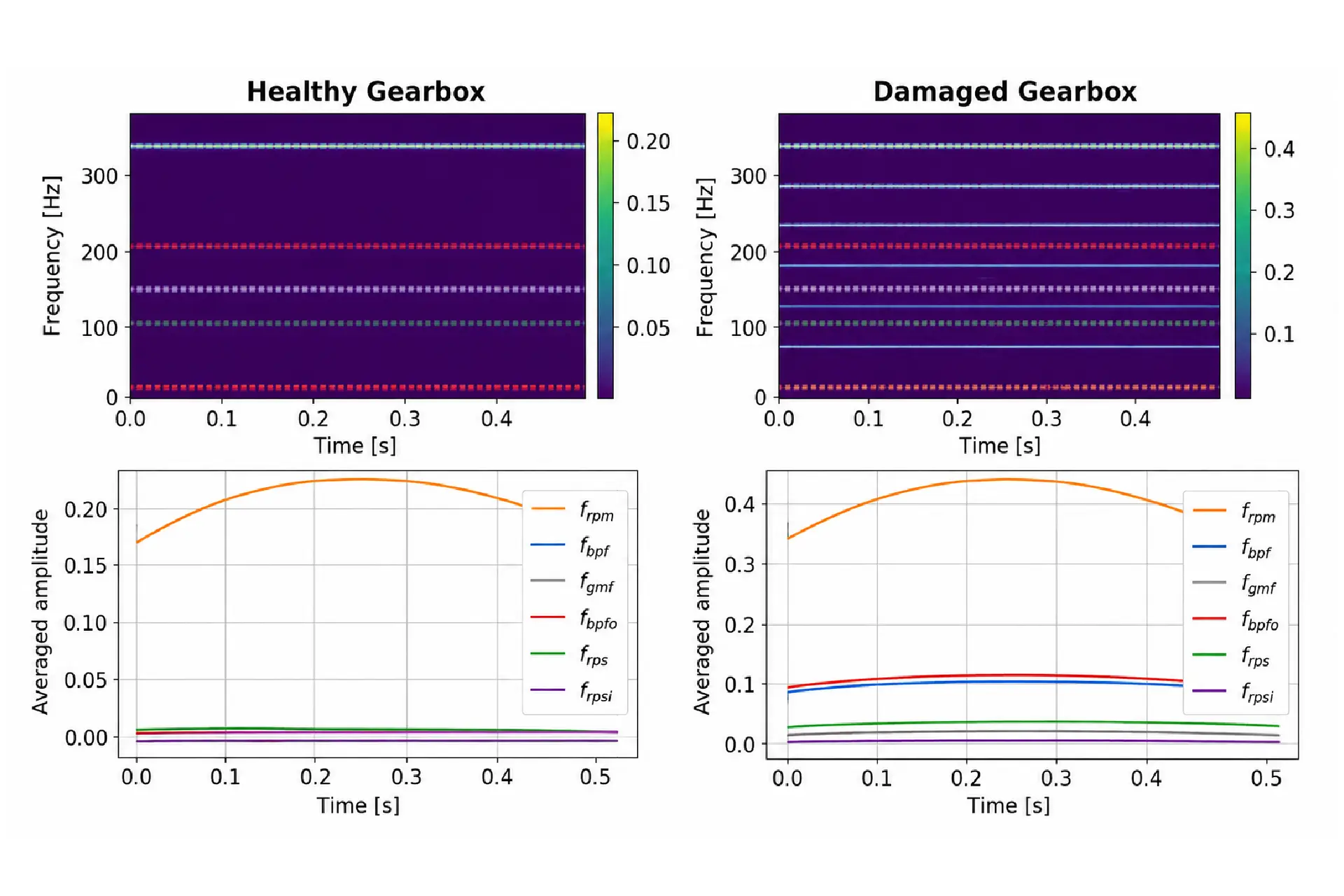
In a heavy industrial gearbox operating under continuous high-load conditions, abnormal noise, excessive vibration, and rising operating temperature were reported after extended service intervals. Initial routine oil analysis showed acceptable viscosity and no severe contamination, leading maintenance personnel to continue operation without immediate corrective action.
However, the gearbox condition deteriorated rapidly within a short period. During inspection, severe gear tooth surface distress, micro-pitting, varnish deposits, and abnormal wear particles were identified inside the gearbox housing.
A deeper lubricant investigation revealed that although the oil still maintained moderate viscosity, its oxidation stability and acid neutralization capability had significantly declined. Oxidation by-products had started affecting the lubricant film strength under extreme pressure conditions.
Further analysis indicated:
- Reduced load-carrying performance
- Increased oxidative degradation
- Formation of acidic compounds
- Surface fatigue initiation on gear teeth
- Reduced anti-wear additive effectiveness
The gearbox was operating under fluctuating thermal stress and shock loading, which accelerated lubricant degradation beyond normal laboratory expectations.
As the lubricant condition worsened:
- Gear mesh temperature increased
- Lubrication film became unstable
- Wear particle generation accelerated
- Gear surface polishing converted into destructive pitting
- System vibration reached abnormal levels
Corrective actions included:
- Complete lubricant replacement
- Internal flushing and contamination removal
- Improved filtration control
- Reduced oil drain interval
- Continuous vibration and oil monitoring program
After implementing condition-based maintenance practices, gearbox reliability improved, and unplanned shutdowns were eliminated.
This case clearly demonstrates that gearbox protection under heavy load conditions cannot depend only on viscosity values or isolated laboratory reports. Real machine reliability requires understanding lubricant chemistry, oxidation control, thermal stress, contamination, and operating environment together.
Case Study 3: Thermic Fluid Degradation and Hidden Reliability Risks
A chemical processing plant experienced frequent overheating, carbon deposits, and reduced heat transfer efficiency within its thermic fluid circulation system. Operators reported abnormal temperature fluctuations and rising fuel consumption during production operations.
Initial laboratory analysis indicated that the thermic fluid still maintained acceptable viscosity values. However, detailed condition monitoring revealed severe oxidation, sludge formation, increased carbon residue, and thermal cracking caused by prolonged exposure to excessive operating temperatures.
The investigation highlighted several contributing factors:
- Continuous operation above the recommended bulk oil temperature
- Poor circulation, leading to localized hot spots
- Inadequate preventive maintenance practices
- Delayed oil replacement intervals
- Oxidative degradation and varnish formation inside pipelines and heat exchangers
As degradation progressed, the fluid gradually lost its thermal stability, resulting in reduced heat transfer performance and increased system stress. Deposits within the system restricted flow and significantly reduced energy transfer efficiency.
The plant implemented a comprehensive recovery program that included:
- Complete replacement of the thermic fluid
- System flushing and internal cleaning
- Installation of additional temperature monitoring points
- Optimization of circulation flow rates
- Establishment of regular oxidation and carbon residue testing schedules
Following these corrective measures, the facility achieved:
- Stable operating temperatures
- Improved heat transfer efficiency
- Reduced fuel consumption
- Lower maintenance downtime
- Enhanced overall system reliability
Key Takeaway
Thermic fluid condition cannot be evaluated through viscosity alone. Parameters such as oxidation stability, carbon residue formation, thermal cracking, and operating temperature control are equally critical for ensuring long-term reliability and energy efficiency.
The Hidden Role of Contamination
Even the highest-quality lubricant can fail if contamination is ignored.
In many industrial failures, the actual root cause is not the lubricant itself but the contaminants hidden within the system.
Dust particles, water ingress, metal wear debris, oxidation products, and sludge can silently reduce lubricant performance and damage expensive machinery long before obvious symptoms appear.
Common Effects of Contamination
- Increased wear and friction
- Reduced lubrication film strength
- Filter blockage
- Corrosion and rust formation
- Higher operating temperatures
- Premature bearing and gearbox failures
Modern oil analysis techniques help detect contamination before catastrophic failures occur. A small contamination issue today can become a major shutdown tomorrow.
Clean oil is not merely a maintenance requirement. It is a fundamental component of machine protection and operational reliability.
Why Do Machines Fail Even When Oil Analysis Appears Normal?
Oil analysis is one of the most powerful predictive maintenance tools available. Yet, machines do not fail solely because of lubricant condition. They fail because of the combined impact of operating conditions, mechanical stresses, and hidden system abnormalities.
Several factors can limit the effectiveness of oil analysis alone:
- Sampling interval delays
- Improper sampling locations
- Sudden contamination events
- Load spikes and overheating
- Vibration and alignment problems
- Human interpretation errors
In many situations, damage begins well before laboratory reports indicate critical changes.
This is why modern reliability programs integrate multiple condition monitoring techniques, including:
- Oil analysis
- Vibration monitoring
- Thermography
- Ultrasonic inspection
- Real-time condition monitoring systems
An oil analysis report represents only one part of a machine's health story. True reliability emerges when lubricant condition and machine behavior are evaluated together. Machines always provide warning signals. The challenge lies in recognizing and interpreting them before failure occurs.
The Need for Multi-Parameter Monitoring
A machine may exhibit acceptable oil properties while vibration levels, operating temperatures, contamination levels, or wear particle generation already indicate severe internal damage.
Relying on a single monitoring technique creates hidden risks that can compromise reliability and increase maintenance costs.
A Comprehensive Predictive Maintenance Strategy Should Include:
- Oil analysis
- Vibration monitoring
- Temperature trending
- Wear particle analysis
- Ultrasonic inspection
- Contamination control practices
- Real-time condition monitoring
When these parameters are integrated, industries can identify:
- Early bearing wear
- Gear mesh deterioration
- Lubricant degradation
- Water and particle contamination
- Thermal stress conditions
- Misalignment and abnormal loading
The future of industrial lubrication reliability lies not in single-parameter monitoring but in integrated machine health intelligence. Machines always communicate before failure. The key is learning to read all the signals together.
Practical Field Recommendations
In real industrial environments, machine reliability cannot depend on a single monitoring method. A practical field approach combines multiple technologies and operational insights to improve fault prediction and maintenance planning.
Key Recommendations
- Establish routine condition monitoring schedules
- Combine oil analysis with vibration trending
- Continuously monitor temperature variations
- Utilize predictive maintenance dashboards for real-time alerts
- Maintain high lubrication cleanliness standards
- Train operators to identify abnormal machine behavior at an early stage
- Correlate data from multiple monitoring methods rather than relying on a single report
- Implement proactive maintenance before functional failures occur
The future of industrial reliability belongs to organizations that successfully combine data, field experience, and predictive intelligence into a unified maintenance strategy.
Conclusion
True machine reliability extends far beyond conventional oil analysis reports. Industrial experience consistently shows that critical assets can begin deteriorating long before laboratory parameters indicate a problem, making single-point diagnostics insufficient for modern maintenance strategies. The path forward lies in integrating multiple condition indicators such as oil analysis, vibration trends, thermal behavior, ultrasonic inspections, IoT-enabled monitoring, and AI-driven analytics to build a complete picture of equipment health. This holistic approach enables earlier fault detection, minimizes unplanned outages, enhances operational safety, extends asset life, and optimizes maintenance expenditure. As industries embrace data-driven and condition-based practices, the combination of lubrication expertise with real-time intelligence will define the next generation of resilient, efficient, and high-performing industrial operations.
About the Author
Prem Raj is a lubrication and condition monitoring professional with hands-on experience in industrial lubrication, machinery reliability, predictive maintenance, and condition monitoring. He specializes in oil analysis, vibration monitoring, equipment health assessment, and maintenance optimization. Through practical insights and real-world applications, he helps industries improve machinery reliability, operational efficiency, and cost-effective maintenance practices.
Mr. Prem Raj
Lubrication & Condition Monitoring Professional | India