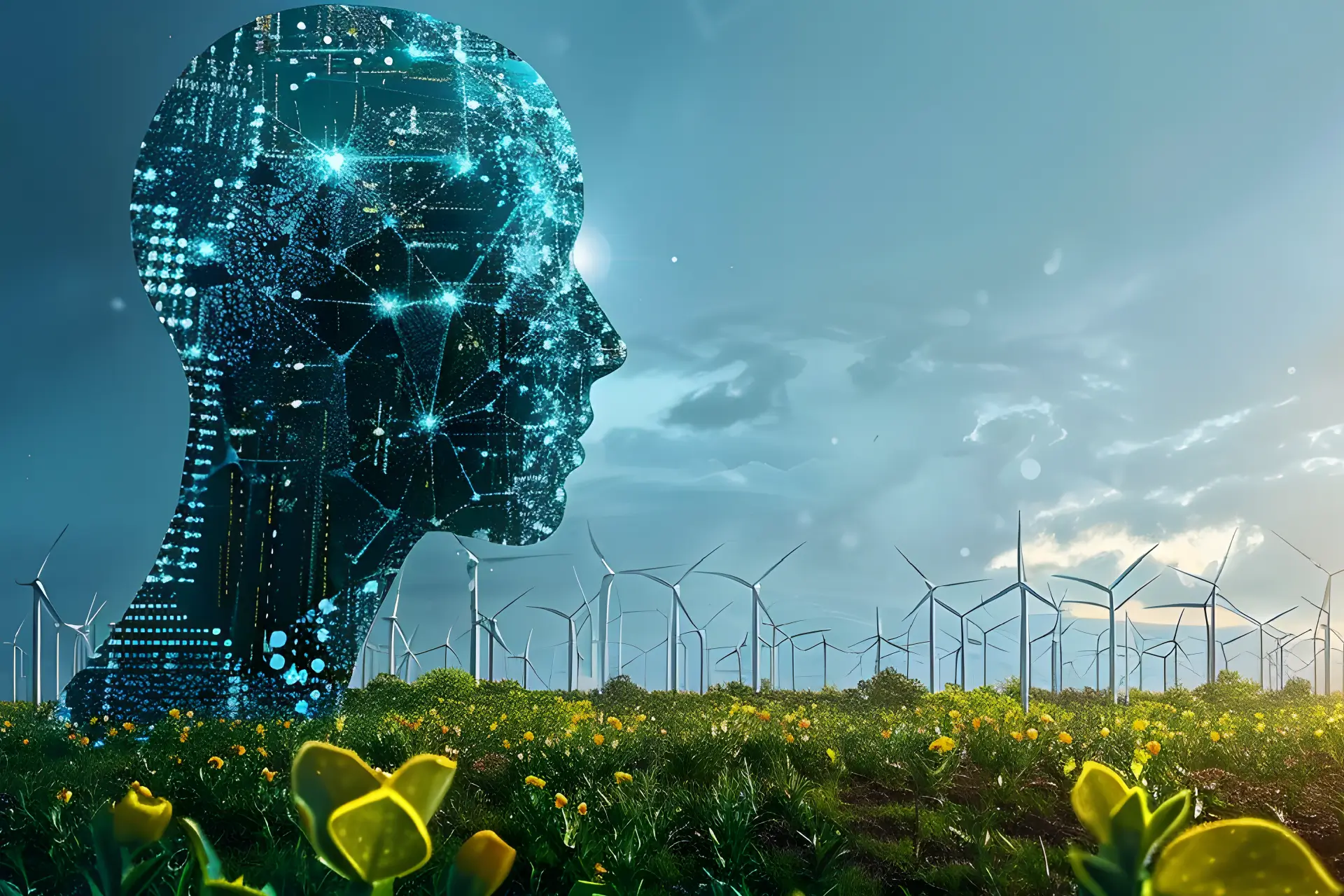
Across Europe, the lubricants industry is undergoing a quiet revolution. It is not driven by new molecules, base oils, or additives, but by data. From automated blending plants to AI-assisted formulation labs and connected customers, digitalisation is becoming the single most powerful tool for improving energy efficiency across the sector.
And with the EU tightening the screws on industrial energy use, the timing could not be better.
A New Energy Landscape
Europe’s energy future is being reshaped by the Green Deal, the revised Energy Efficiency Directive, and the ongoing push towards net-zero. These policies don’t just encourage more efficient operations; they expect them. For lubricant manufacturers, this means tackling energy use on two fronts:
- Inside the plant, where heating, pumping, blending, and packaging all carry energy costs.
- Inside the customer’s machinery, where the lubricant itself plays a crucial role in reducing frictional losses.
Digitalisation links these two worlds, providing the data, automation, and insight needed to identify inefficiencies and eliminate them.
Inside The Smart Blending Plant
Walk into a modern European blending plant, and you’re likely to find sensors, dashboards, and automated controls working quietly in the background. This is Industry 4.0 in action, technology designed not just to speed up production but to make every kilowatt count.
Real-Time Energy Monitoring:
The first step toward efficiency is visibility. Smart meters integrated into plant systems can now track energy use tank by tank, pump by pump. Operators spot spikes instantly, whether caused by a failing motor, a poorly insulated line, or a heater left running between batches.
By pairing this data with batch records, plants can measure energy per tonne or per blend, turning efficiency into a daily objective rather than a month-end surprise.
Advanced Process Control:
Digital process control systems fine-tune heating curves, agitation speeds, and dosing rates. With model-based or even AI-assisted optimisation, plants can minimise thermal losses, shorten batch cycles, and ensure blends stay within tight specifications. The result? Lower energy use and lower rework, two outcomes every plant manager likes to see.
Predictive Maintenance:
A key culprit of wasted energy is underperforming equipment. Digital condition monitoring, vibration sensors, thermal cameras, and integrated oil analysis can spot issues long before they cause downtime or inefficiency. A fouled heat exchanger or worn pump bearing may seem minor, but over thousands of hours, the energy penalty is enormous. Predictive maintenance catches these problems early, keeping energy consumption where it should be.
Lean Logistics, Smaller Footprints
Efficiency doesn’t stop at the plant gate. The logistical backbone that keeps Europe’s lubricants flowing is itself an energy-intensive machine.
Smarter Routing And Fleet Tools:
Telematics, GPS data, and fleet management platforms allow distributors to optimise routes, reduce empty runs, and avoid congestion. For large distributors operating across multiple countries, this can translate into significant fuel savings.
Demand Forecasting:
Machine learning applied to sales patterns, seasonal trends, and customer behaviour helps lubricant companies better predict demand. Improved forecasting reduces emergency deliveries, avoids overproduction, and cuts the energy tied up in storing heated or temperature-sensitive products.
R&D For The Energy-Efficient Age
Digitalisation is transforming the laboratory as much as the plant floor.
Virtual Formulation:
Modelling tools can simulate how different base oils and additives behave under specific operating conditions, from extreme cold-start viscosity to high-temperature oxidation. This shrinks the number of physical trial blends needed and focuses R&D on the formulations most likely to improve equipment efficiency.
High-Throughput Testing and AI:
Automated rigs linked to digital data capture generate huge performance datasets. AI mines this information to uncover patterns: which combinations of additives deliver the lowest friction, which viscosity indices work best for electrified drivetrains, or which formulations maintain efficiency over extended drain intervals. It’s a faster path to lubricants that deliver real energy savings for end users.
Connected Customers: From Oil Sales To Efficiency Services
Perhaps the biggest shift digitalisation brings is in the relationship between producer and customer. Instead of selling litres, the industry is increasingly selling performance.
Condition Monitoring And Smart Sensors:
With sensors tracking temperature, vibration, energy draw, and lubricant condition, suppliers can monitor customers’ equipment in real-time. This allows them to:
- Identify inefficiencies caused by friction, wear, or contamination.
- Recommend better lubrication strategies or upgraded formulations.
- Prove energy savings with hard data.
Premium lubricants already offer efficiency gains; digital monitoring simply makes those gains visible and verifiable.
Digital Twins And Optimisation:
Some large industrial sites now use digital twins: virtual replicas of machinery or entire plants. Lubricant data plugged into these models allows engineers to simulate different grades, viscosities, or maintenance strategies and see the energy impact before making changes. Lubricant suppliers with access to these models become strategic partners, not just product providers.
Collaboration, Standards And The Road Ahead
For digitalisation to deliver its full value, the industry must tackle shared challenges: interoperable data, solid cybersecurity, and agreed metrics for measuring energy impact. Collaboration across companies, associations, and regulatory bodies will be key.
What’s clear is that digitalisation is no longer a tech buzzword; it is becoming the backbone of energy-efficient operations.
Conclusion: The Power Of Data
Energy efficiency has always been central to the lubricants industry’s value proposition. What’s changing is the industry’s ability to measure it, optimise it, and prove it. Digitalisation is accelerating this shift, helping companies cut costs, reduce emissions, meet regulatory demands, and win customer loyalty.
In an era defined by energy scarcity and climate ambition, Europe’s lubricants industry is discovering that the smartest path to efficiency begins with the smartest use of data.
About the Author
Ms. Tina Reading is editor of Lube Magazine; the official journal of Union of the European Lubricant Industry (UEIL), the European Lubricants association. Distributed to over one hundred countries around the globe, it provides a European perspective on the global lubricants industry. Lube magazine is a bi-monthly publication available both in print and digital, which can be read online and is published on behalf of UEIL by United Kingdom Literary Association (UKLA).
Ms. Tina Reading
Editor | Lube Magazine | United Kingdom